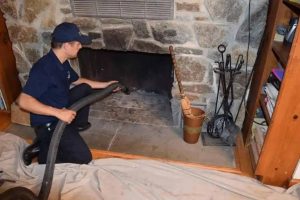
A small chimney problem can turn into a much bigger one surprisingly fast.
One day you notice a water stain near the fireplace. The next, there’s water dripping into the firebox after a heavy rain. Maybe you’ve spotted a crack in the brickwork or found pieces of mortar on the ground below your chimney.
When something like that happens, it’s natural to wonder, “Can this wait, or do I need someone to look at it right away?”
The answer depends on what’s causing the problem. While not every chimney issue is an emergency, leaks and cracks should never be ignored. The sooner they’re addressed, the better your chances of avoiding more extensive damage.
At Chimney King, we’ve helped Long Island homeowners handle emergency chimney repairs since 1982. Here’s what to do if you think your chimney needs immediate attention.
If you suspect your chimney has been damaged, don’t continue using your fireplace until it’s been inspected. A quick inspection today can prevent a much larger repair tomorrow.
Step 1: Stop Using Your Fireplace
If you’ve noticed a significant crack, water leaking into the fireplace, or any sign of structural damage, stop using your fireplace until it’s been inspected.
Continuing to burn fires in a damaged chimney can make existing problems worse and may create safety concerns if the flue or chimney liner has been compromised.
It’s always better to be cautious until you know exactly what’s going on.
Step 2: Try to Identify the Problem
You don’t need to climb on your roof or inspect every inch of your chimney.
Instead, look for obvious warning signs around your home, including:
- Water dripping into the fireplace
- Damp or musty odors
- Water stains on walls or ceilings near the chimney
- Cracked or loose bricks
- Missing mortar
- White staining on the masonry
- Rust on the damper or fireplace components
- Pieces of brick or mortar on the ground
- Smoke entering the room instead of venting outside
These signs don’t necessarily tell you what’s wrong, but they help identify that something needs attention.
Step 3: Avoid Temporary DIY Repairs
When water starts coming into the house, it’s tempting to grab a tube of caulk or a bucket of roof coating.
Unfortunately, those quick fixes usually don’t solve the actual problem.
Many chimney leaks begin because of damaged flashing, cracked chimney crowns, deteriorated mortar joints, missing chimney caps, or hidden masonry damage. Covering the symptom without fixing the source often allows moisture to continue causing damage behind the scenes.
A professional inspection identifies where the water is actually getting in so the repair can be done correctly the first time.
Step 4: Schedule an Inspection as Soon as Possible
Even if the leak seems minor, don’t wait until the next season to have it checked.
Water is one of the biggest threats to a chimney. Every rainfall allows additional moisture into damaged masonry, and every freeze-thaw cycle can make existing cracks larger.
The sooner the problem is diagnosed, the more repair options are usually available.
When Is a Chimney Problem an Emergency?
Some chimney problems require immediate attention.
You should contact a chimney professional as soon as possible if you notice:
- Water actively leaking into your home
- Large or widening cracks in the chimney
- A leaning chimney
- Loose bricks falling from the chimney
- Smoke backing into your home
- A strong smell of burning inside walls
- Damage following a major storm
- A chimney that’s been struck by lightning or hit by a falling tree
These situations can affect both the safety and structural stability of your chimney.
Common Repairs We Perform After a Leak or Crack
Every chimney is different, so the right repair depends on what’s causing the damage.
Some of the most common repairs include:
- Chimney crown repair
- Masonry repair and tuckpointing
- Chimney waterproofing
- Flashing repair
- Chimney cap replacement
- Chimney liner repair or replacement
- Leak diagnosis
- Partial chimney rebuilding
We’ll inspect the chimney, explain exactly what we found, and recommend the repair that makes the most sense for your home.
Why Chimney Leaks Get Worse Over Time
One of the biggest misconceptions we hear is, “It’s only a small leak.”
The problem is that water rarely stays where it first appears.
Moisture can travel through brick, mortar, framing, insulation, and drywall before you ever notice it inside your home. By the time a ceiling stain appears, the water may have been entering the chimney for months.
That’s why addressing leaks early is almost always the least expensive option.
Why Long Island Homeowners Call Chimney King
For more than 40 years, we’ve helped homeowners throughout Nassau and Suffolk Counties respond quickly when chimney problems appear.
Our services include:
- Emergency chimney inspections
- Chimney leak repair
- Masonry repair
- Chimney crown repair
- Chimney waterproofing
- Chimney cap replacement
- Flashing repair
- Chimney cleaning
- Stainless steel chimney liners
- Complete chimney rebuilding
We understand that unexpected chimney damage can be stressful. That’s why we focus on providing honest recommendations, quality workmanship, and repairs that solve the problem instead of covering it up.
Don’t Wait Until the Damage Gets Worse
A leak or crack doesn’t always mean you need a complete chimney rebuild, but it does mean your chimney should be inspected as soon as possible.
If you’ve noticed water around your fireplace, cracked masonry, or any other signs of chimney damage, contact Chimney King today for a free estimate. We’ll identify the source of the problem, explain your options, and help you protect your home before a small repair becomes a much larger one.
Frequently Asked Questions
Can I still use my fireplace if my chimney is leaking?
No. If water is entering your chimney or you’ve noticed structural damage, it’s best to avoid using the fireplace until a professional inspection has been completed.
Is a small crack in my chimney serious?
It can be. Even small cracks allow water to enter the masonry, and those cracks often grow larger during freezing weather. It’s best to have them evaluated before they worsen.
How quickly should I repair a chimney leak?
As soon as possible. Water damage almost always becomes more expensive over time, especially after repeated rain or freezing temperatures.
Do you provide free estimates?
Yes. Chimney King provides free estimates and will explain exactly what we find before recommending any repairs.