You probably don’t think much about your chimney during the warmer months.
Neither do most homeowners.
Unfortunately, that’s exactly when birds, squirrels, raccoons, and other wildlife start looking for safe places to build nests, and an uncapped chimney checks all the boxes.
It’s warm. It’s protected from predators. And from the outside, it looks like the perfect hollow tree.
By the time cooler weather rolls around and you’re ready to light your first fire, you could have an unexpected tenant living above your fireplace.
The good news is that preventing animals from getting into your chimney is usually simple, and it starts with understanding why they’re attracted to it in the first place.
Your Chimney Looks Like a Tree
Most wild animals aren’t trying to invade your home.
They’re just looking for a safe place to sleep, raise their young, or get out of the weather.
To a bird, an open chimney resembles a hollow tree.
To a squirrel or raccoon, it’s a sheltered opening that’s dry, quiet, and protected from predators.
Once an animal gets inside, it often starts bringing in twigs, leaves, insulation, and other nesting materials. Before long, what was an empty chimney becomes a fully built nest.
Different Seasons Bring Different Visitors
The type of animal you’re likely to find often depends on the time of year.
In the spring, birds are the most common visitors because they’re searching for nesting locations.
During summer, squirrels and raccoons may use chimneys to escape the heat or raise their young.
As temperatures begin to drop in the fall, many animals start looking for warm places to shelter before winter arrives.
That’s one reason chimney caps are so important year-round, not just during fireplace season.
It’s Usually the Nest That’s the Bigger Problem
Many homeowners worry about the animal itself.
More often than not, it’s the nest that creates the biggest headache.
Nests can:
- Restrict airflow
- Block smoke from venting properly
- Trap dangerous carbon monoxide inside the home
- Catch fire when the fireplace is used
- Hold moisture against the chimney walls
- Attract insects and parasites
Even after the animal leaves, the nest usually remains until it’s professionally removed.
Why DIY Animal Removal Can Make Things Worse
If you hear scratching or chirping, your first instinct may be to scare the animal away.
Unfortunately, that doesn’t always solve the problem.
Young animals may still be inside the chimney. Some species are protected by law during nesting season, and lighting a fire or attempting to remove them yourself can create a dangerous situation for both your family and the animal.
If you suspect wildlife is inside your chimney, the safest approach is to stop using your fireplace and have the chimney inspected before doing anything else.
One Small Upgrade Can Prevent Most Animal Problems
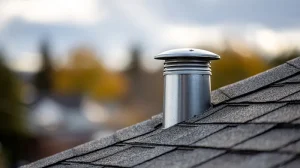
If we had to recommend just one thing to every homeowner, it would be installing a quality chimney cap.
Think of it as a front door for your chimney.
A properly fitted stainless steel chimney cap allows smoke to escape while keeping out:
- Birds
- Squirrels
- Raccoons
- Bats
- Leaves
- Rain
- Wind-blown debris
It’s a relatively small investment that helps prevent several of the most common chimney problems we see.
Annual Inspections Catch More Than Creosote
Many homeowners assume chimney inspections are only about checking for creosote buildup.
In reality, an inspection gives us the opportunity to look at your entire chimney system.
We’ll check whether your chimney cap is secure, look for evidence of nesting, inspect the flue for obstructions, and identify masonry damage that could make it easier for animals to get inside.
Sometimes we even spot problems before the homeowner realizes anything is wrong.
What Happens If Animals Have Already Been Inside?
Even after wildlife has been removed, it’s important to inspect the chimney carefully.
Animals can damage chimney caps, loosen masonry, leave behind nesting materials, and create blockages that affect how your fireplace vents.
Depending on what we find, we may recommend:
- Removing nesting debris
- Installing or replacing a chimney cap
- Cleaning the chimney
- Repairing damaged masonry
- Waterproofing the chimney
- Repairing the chimney crown
The goal isn’t just removing today’s problem. It’s making sure it doesn’t happen again next year.
Protect Your Chimney Before Wildlife Finds It First
The best time to keep animals out of your chimney is before they move in.
Whether your chimney has never had a cap installed, your current cap is damaged, or it’s simply time for an annual inspection, Chimney King can help.
Since 1982, we’ve helped homeowners throughout Nassau and Suffolk Counties protect their chimneys from wildlife, water damage, and costly repairs with honest recommendations and quality workmanship.
Contact Chimney King today to schedule a chimney inspection or chimney cap installation, and enjoy the peace of mind that comes from knowing your chimney is ready for every season.
Frequently Asked Questions
Can birds and squirrels get into any chimney?
Yes. Any chimney without a properly fitted cap can become an entry point for wildlife.
Will a chimney cap keep all animals out?
A professionally installed chimney cap with heavy-duty mesh is the most effective way to keep birds, squirrels, raccoons, and most other animals out while still allowing your chimney to vent properly.
Should I light a fire if I think an animal is inside?
No. If you suspect wildlife or a nest is inside your chimney, avoid using your fireplace until it has been inspected.
How can I tell if animals have been inside my chimney?
Common signs include scratching or chirping sounds, nesting material in the fireplace, unusual odors, poor drafting, or seeing animals repeatedly entering and leaving the top of the chimney.