When the temps dip and the nor’easters roll in, your chimney is the last thing you want to worry about. A quick fall check can catch small issues before they become winter emergencies. Below is a straightforward guide to the most common warning signs, what they mean, and when to call a pro.
Before the first cold snap hits Long Island, it’s smart to give your chimney some attention. A few simple maintenance steps in the fall can help prevent smoke issues, leaks, and costly repairs once the temperatures drop. Here’s a practical, homeowner-friendly checklist to make sure your chimney is safe and ready for the winter season.
1) Schedule a Professional Chimney Inspection
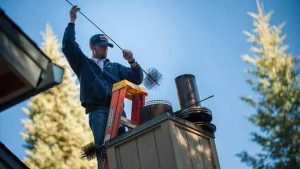
A yearly inspection is the foundation of chimney safety. A certified technician checks the flue, liner, crown, and cap for damage, buildup, or leaks. Even if you rarely use your fireplace, an inspection can catch problems early like cracks, rust, or animal nests that might lead to fire hazards or blockages during winter.
Pro tip: Book your appointment in early fall to avoid the seasonal rush when the first cold days arrive.
2) Get a Chimney Cleaning Before You Burn
Creosote buildup from last winter can be highly flammable. A proper cleaning removes soot, creosote, and debris to improve draft and prevent chimney fires. If you notice dark, flaky buildup or a strong burnt smell, it’s time to schedule a cleaning.
Bonus benefit: A clean chimney helps your fireplace burn hotter and reduces smoke inside your home.
3) Inspect the Chimney Cap and Crown
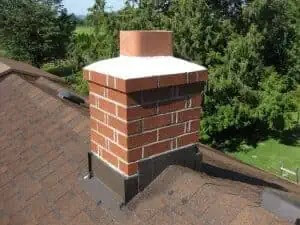
The chimney cap keeps rain, snow, and animals out, while the crown protects the top of the structure from water infiltration. Look for visible cracks, rust, or a missing screen. Water leaks are one of the most common causes of chimney damage on Long Island, especially with our freeze-thaw winters.
Quick fix: Replace damaged or missing caps with a stainless steel model and seal cracks in the crown before freezing weather sets in.
4) Check the Flashing for Leaks
Flashing is the metal seal where your chimney meets the roof. Over time, it can pull away or corrode, allowing water to seep into walls or ceilings. If you see rust streaks, stains, or soft drywall around the chimney, have a professional reseal or replace the flashing to prevent leaks.
5) Examine the Masonry for Cracks or Deterioration
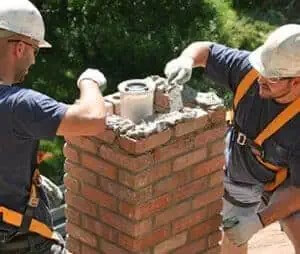
Mortar joints and bricks can deteriorate from moisture and salt exposure, especially near the coast. Cracked or missing mortar allows water to penetrate, leading to spalling and structural damage. Repointing, also known as replacing the mortar, restores both appearance and stability.
Tip: Ask about waterproofing treatments to help protect your masonry from Long Island’s harsh winter weather.
6) Test the Damper
Open and close the damper to ensure it seals tightly and moves smoothly. A faulty damper lets cold air in and warm air out, which increases your heating costs. If it’s stuck or rusted, replacement may be the best option.
7) Clear Out Any Debris or Obstructions
Leaves, twigs, bird nests, or even fallen masonry can block the flue. A blocked flue can cause smoke backup and carbon monoxide issues. Always make sure your flue is clear before lighting the first fire of the season.
8) Consider Installing or Upgrading a Chimney Liner
If your liner is cracked or missing, it can expose your home to heat damage or carbon monoxide leaks. A stainless steel liner improves safety, efficiency, and longevity, especially for older homes or when switching fuel types.
9) Check for Interior Stains or Odors
Look around the fireplace and nearby walls for damp spots, discoloration, or musty smells. These are early signs of leaks or condensation issues. Addressing them now can prevent larger water and mold problems in winter.
10) Schedule Repairs Before the Freeze
Winter weather makes masonry repair more difficult. Handling cracks, crown issues, or flashing leaks in the fall ensures your chimney is protected before freeze thaw cycles can worsen damage.
Chimney King’s Fall Services Include
- Chimney inspections and cleanings
- Repointing and masonry repairs
- Chimney cap and liner installation
- Leak diagnosis and waterproofing
- Damper and flashing repair
- Chimney rebuilding and maintenance
Since 1982, Chimney King has served Long Island homeowners with honest estimates, licensed and insured technicians, and work that lasts through the toughest winters. Call Chimney King today to get a quote for fall service.