A chimney repair estimate should give you a clearer picture of what your home needs. But unfamiliar terms or a vague description can leave you wondering what you’re actually paying for.
At Chimney King, we believe homeowners deserve straightforward answers before making a decision. We’ve served homeowners on Long Island since 1982, and our approach is simple: explain the problem, discuss the recommended work, and give you room to ask questions.
Before approving a chimney repair estimate, make sure you understand the repairs, materials, price, payment terms, and how any additional work will be handled. You should also know what is excluded and roughly when the project will be completed.
Here’s our advice for reviewing an estimate and feeling comfortable with your next steps.
Understand What the Repair Is Intended to Fix
Start with the reason for the recommended work.
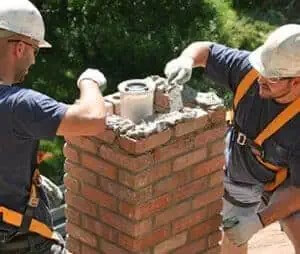
A description such as “repair masonry” doesn’t tell you much. It could mean replacing damaged bricks, repairing mortar joints, or rebuilding a section of the chimney. Those are different jobs, and the estimate should help you understand which one is being proposed.
Ask your contractor:
- What damage did you find, and where is it?
- Why do you recommend this repair?
- What will the repair address?
- Do you need to evaluate anything further before confirming the work?
Photos can help explain areas you can’t easily see from the ground.
Our advice is to keep asking until the recommendation makes sense to you. You don’t need to know chimney terminology. Explaining the work in plain language is part of the contractor’s job.
Make Sure the Work Is Clearly Described
The scope of work is simply the list of tasks included in your project.
The Federal Trade Commission recommends getting a written estimate that identifies the work, materials, completion date, and price. Those details provide a useful foundation for reviewing a proposal.
For chimney repairs, look for a description that identifies the areas and components receiving attention. Depending on your chimney’s condition, the work might involve:
- Replacing damaged bricks.
- Removing deteriorated mortar and repointing specific joints.
- Repairing or replacing the chimney crown.
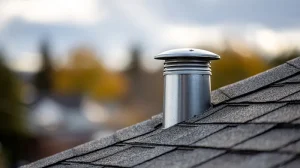
- Installing a chimney cap or liner.
- Repairing flashing around the chimney.
Your chimney may need only one of these services. The recommendation should reflect its condition and the problem you’re trying to resolve.
At Chimney King, we encourage you to bring up anything you discussed during the visit that isn’t included in the estimate. Clarifying those details before work begins helps everyone start with the same understanding.
Know Which Materials Are Being Used
You don’t need to research every product yourself, but you should understand what your contractor plans to install and why.
For masonry repairs, ask about the replacement brick and mortar. If you’re concerned about appearance, discuss how closely the repaired area can match the existing chimney.
For a chimney cap or liner, ask which product is included and why it is appropriate for your chimney and the appliance it serves.
A useful question is:
“Can you explain why you recommend this material for my chimney?”
The answer should relate to your home and the proposed work. It should help you understand the recommendation without leaving you buried in technical details.
Also ask whether the materials have a warranty and whether workmanship has separate coverage. Understanding those terms upfront is easier than sorting them out later.
Check What the Price Covers
When reviewing the total, make sure you know what is included.
Ask about labor, materials, equipment, removal of damaged components, and debris disposal. If the crew needs additional equipment to reach the chimney, find out whether that cost is already included.
It’s equally helpful to understand exclusions. A chimney masonry repair, for example, may not include surrounding roof repairs or interior damage from a previous leak.
Our advice is to ask one simple question:
“Is there anything related to this project that I would need to arrange or pay for separately?”
A contractor may quote one price for the complete job rather than separate charges for every material and hour of labor. What matters is that the description makes clear what you will receive for that price.
Discuss How Unexpected Damage Will Be Handled
Some conditions may only become visible after damaged materials are removed or an inaccessible area is opened.
That possibility should be discussed before the project begins.
Ask whether the contractor will explain any newly discovered damage and seek your approval before completing work that changes the price. Any proposed addition should identify both the work and its cost.
You should also know whether the amount provided is a fixed price for the described work or a preliminary estimate that depends on further evaluation.
Clear communication is especially valuable when a project changes. You deserve an explanation of what was found, why additional work is recommended, and what your options are.
Compare Estimates by the Work They Include
If you’re reviewing more than one estimate, compare the recommended work before focusing on the totals.
One proposal might include replacing damaged bricks and repairing surrounding mortar. Another might cover only the mortar. One may include equipment and debris removal, while another lists those separately.
A lower or higher price alone won’t explain those differences.
| Detail | What to compare |
| Repair area | Which sections of the chimney will receive attention? |
| Recommended work | Are the same tasks included? |
| Materials | Are the proposed materials and products comparable? |
| Included costs | Are equipment, cleanup, and disposal covered? |
| Exclusions | What would require a separate service or charge? |
| Warranty | What coverage is offered, and what are its limits? |
If two contractors recommend different approaches, ask them to explain why. A professional should be willing to discuss the reasoning behind their recommendation.
At Chimney King, we want you to understand our advice and feel comfortable asking how the proposed work addresses your chimney’s condition.
Confirm the Practical Details
Before approving the work, review timing, payment, access, and cleanup.
Ask when the project is expected to start and approximately how long it will take. Weather may affect the schedule, so discuss how updates will be communicated.
You should also know:
- Whether you need to be home.
- Whether the crew needs access to your fireplace or heating equipment.
- How nearby surfaces will be protected.
- What cleanup is included.
- When the deposit and remaining payments are due.
These details help you prepare and give you a clearer picture of how the project will proceed.
Choose a Contractor Who Makes You Comfortable Asking Questions
An estimate is also an opportunity to see how a company communicates.
Does the contractor explain the recommendation clearly? Do they answer your questions directly? Are they willing to clarify unfamiliar terms and put the agreed work in writing?
Those conversations can help you decide who you feel comfortable trusting with your home.
At Chimney King, honest service and clear communication are part of how we work. We’re here to help you understand your chimney’s needs and make an informed decision, whether the recommendation involves repointing, masonry repairs, a liner, or another chimney service.
Get Straightforward Chimney Advice From Chimney King
If you’re concerned about your chimney, let’s talk through it.
Chimney King has served homeowners throughout Nassau and Suffolk Counties since 1982. We provide chimney repairs, repointing, masonry work, liner installation, cleaning, and other chimney services with a personal, straightforward approach.
Contact Chimney King for a free estimate on any of our chimney services. We’ll explain the recommended work, answer your questions, and help you understand your next steps.
Give us a call. We’re happy to walk you through what your chimney needs.