It’s easy to put off a chimney cleaning.
Maybe you only use your fireplace a handful of times each winter. Maybe everything seems to be working fine. Or maybe it’s just one of those home maintenance tasks that slips through the cracks.
We hear it all the time.
The problem is that many chimney issues develop quietly. By the time you notice smoke backing into your home or water dripping into your fireplace, the damage has often been building for months or even years.
A yearly chimney cleaning isn’t just about removing soot. It’s about keeping your fireplace operating safely, protecting your chimney from unnecessary wear, and catching small problems before they become expensive repairs.
Here’s what can happen if you continue putting it off.
Annual chimney cleanings help remove dangerous creosote buildup while giving your chimney professional attention before small issues become major repairs.
Creosote Continues to Build Up
Every time you burn wood, your chimney collects a sticky, tar-like substance called creosote.
At first, it’s a thin coating inside the flue. Over time, it becomes thicker and much harder to remove.
The more creosote that builds up, the greater the risk of a chimney fire.
Even homeowners who only use their fireplace occasionally can develop enough buildup to warrant professional cleaning. Factors like the type of firewood you burn, how hot your fires are, and how efficiently your fireplace drafts all affect how quickly creosote accumulates.
Your Fireplace May Not Perform as Well
A dirty chimney doesn’t always create obvious problems right away.
Instead, you may notice subtle changes like:
- Smoke lingering in the room
- Difficulty starting fires
- Fires that don’t burn as efficiently
- Strong odors coming from the fireplace
- Excess soot around the firebox
As creosote and debris continue to build up, airflow becomes more restricted, making it harder for your fireplace to vent properly.
Animals and Debris Can Go Unnoticed
One of the biggest surprises during chimney cleanings has nothing to do with soot.
It’s what we find inside.
Birds, squirrels, leaves, sticks, and other debris regularly make their way into uncapped or damaged chimneys.
Those blockages can interfere with proper venting and, in some cases, prevent dangerous gases like carbon monoxide from exiting your home the way they’re supposed to.
A chimney cleaning allows us to safely remove those obstructions before they become a larger problem.
Small Repairs Can Be Missed
A chimney cleaning also gives us the opportunity to inspect the condition of your chimney.
Sometimes we find:
- Small cracks in the chimney crown
- Loose mortar joints
- Early signs of water damage
- A damaged chimney cap
- Deteriorating flashing
- Minor masonry issues
Most of these problems are relatively straightforward to repair when they’re caught early.
If they’re left alone for another year or two, they often become much more involved and much more expensive.
Moisture Has More Time to Cause Damage
Long Island weather can be tough on chimneys.
Rain, humidity, snow, and repeated freeze-thaw cycles all take a toll on masonry.
When moisture enters through small cracks or damaged mortar, it doesn’t simply dry up and disappear.
It expands during freezing weather, widening cracks and weakening the chimney over time.
During a routine cleaning and inspection, we can identify those issues before another winter makes them worse.
You May Not Know Your Chimney Has a Safety Issue
One of the biggest misconceptions we hear is:
“My fireplace seems to work fine.”
That’s great, but it’s not always the whole story.
Many chimney problems develop inside the flue, where homeowners can’t see them. Cracked liners, excessive creosote, hidden blockages, and deteriorating masonry often don’t produce obvious symptoms until they’ve become more serious.
That’s one reason the National Fire Protection Association recommends annual chimney inspections, even if your fireplace isn’t used every day.
A Cleaning Is More Than Just Sweeping the Chimney
Many homeowners picture a chimney cleaning as someone simply brushing soot out of the flue.
There’s more to it than that.
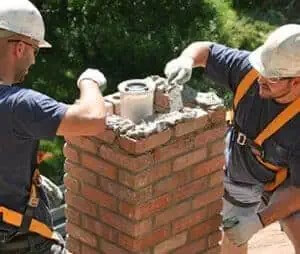
During your appointment, we’ll remove creosote and debris while also looking for signs of damage, excessive wear, moisture intrusion, and other issues that could affect your chimney’s safety or performance.
If we find something that needs attention, we’ll explain it clearly and answer any questions you have. If everything looks good, we’ll tell you that, too.
Our goal isn’t to sell you repairs you don’t need. It’s to help you understand the condition of your chimney so you can make informed decisions about your home.
Why Long Island Homeowners Trust Chimney King
Since 1982, Chimney King has helped homeowners throughout Nassau and Suffolk Counties keep their fireplaces clean, safe, and ready for every heating season.
Our services include:
- Chimney cleaning
- Chimney inspections
- Chimney cap installation
- Masonry repair
- Chimney crown repair
- Chimney waterproofing
- Stainless steel chimney liners
- Leak diagnosis and repair
- Complete chimney restoration
Whether it’s been one year or several since your last cleaning, we’ll inspect your chimney thoroughly, explain what we find, and recommend only the services your chimney actually needs.
Schedule Your Annual Chimney Cleaning Before Fireplace Season
The best time to clean your chimney is before you need it.
Scheduling your annual chimney cleaning before fall gives you peace of mind knowing your fireplace is ready for cooler weather and helps you avoid the seasonal rush when appointments fill up quickly.
If it’s been more than a year since your last chimney cleaning, or you’re not sure when it was last serviced, contact Chimney King today for a free estimate. We’ll help make sure your chimney is clean, safe, and ready for another Long Island winter.
Frequently Asked Questions
How often should a chimney be cleaned?
Most homeowners should have their chimney inspected every year. Depending on how often the fireplace is used and how much creosote has accumulated, annual cleaning is often recommended to maintain safe operation.
Can I clean my chimney myself?
While DIY chimney cleaning tools are available, they don’t replace a professional cleaning and inspection. A trained chimney technician can safely remove creosote while identifying hidden problems that homeowners often can’t see.
What happens if creosote isn’t removed?
Creosote continues to build up over time, increasing the risk of chimney fires and reducing your fireplace’s ability to vent properly.
When is the best time to schedule a chimney cleaning?
Late spring and summer are excellent times because you’ll avoid the busy fall season and have your fireplace ready before cooler weather arrives.