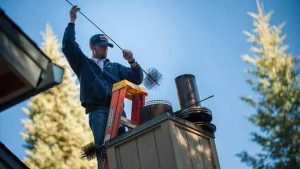
Wondering what happens during a chimney inspection? Learn what to expect during a service call, what gets inspected, and how Chimney King helps Long Island homeowners protect their chimneys year-round.
Every fall, we get calls from homeowners who aren’t quite sure if they need a chimney inspection. Some haven’t used their fireplace in years. Others are getting ready for the first fire of the season and just want the peace of mind that everything is safe.
Then there are the people who have noticed something doesn’t seem right. Maybe there’s a musty smell coming from the fireplace, a water stain on the ceiling, or bricks that look like they’re starting to crack.
Whatever brings you to us, one of the first questions we usually hear is, “So…what actually happens during a chimney inspection?”
It’s a fair question.
At Chimney King, we believe you should know exactly what we’re looking for, why we’re looking for it, and what happens if we find a problem. Here’s what you can expect when you schedule an inspection with our team.
Since 1982, we’ve helped homeowners throughout Nassau and Suffolk Counties keep their chimneys safe, dry, and ready for another Long Island winter.
Before We Even Get Started
The good news is you don’t have to spend hours getting ready for our visit.
We simply ask that you clear the area around your fireplace so we have room to work. If you’ve been using the fireplace recently, it’s also helpful if it’s had time to cool down before we arrive.
From there, we’ll take it from here.
First, We Look at the Outside
A lot of chimney problems actually start on the outside, not inside the fireplace.
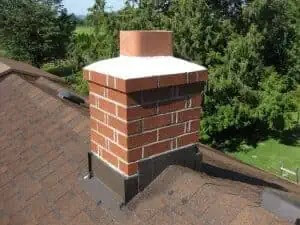
We’ll inspect everything we can safely access, including the brick, mortar joints, chimney crown, chimney cap, and flashing where the chimney meets the roof.
We’re looking for things like:
- Cracked or deteriorating mortar
- Loose or damaged bricks
- Water damage
- Cracks in the chimney crown
- A damaged or missing chimney cap
- Flashing that’s pulling away from the roof
- Signs of moisture getting into the masonry
Even small problems can become much bigger after a season of freezing temperatures, so it’s always better to catch them early.
Next, We Inspect the Inside
After that, we’ll inspect the inside of your chimney system.
This includes the:
- Firebox
- Smoke chamber
- Damper
- Flue liner
- Draft performance
- Overall condition of the chimney
We’re checking for creosote buildup, moisture damage, cracked liners, drafting problems, and anything else that could affect your fireplace’s safety or performance.
Some of these issues are obvious. Others are things most homeowners would never notice until they become much more expensive repairs.
We Look for Problems Before They Get Worse
Our job isn’t just to tell you what’s wrong today.
It’s to help you avoid bigger problems tomorrow.
During your inspection, we’ll look for common issues like:
- Creosote buildup
- Water intrusion
- Rust
- Damaged chimney crowns
- Loose masonry
- Cracked mortar joints
- Animal nests
- Blocked flues
- Worn chimney liners
- Drafting issues
The sooner these problems are found, the easier and more affordable they usually are to fix.
We’ll Walk You Through Everything
Once we’ve finished the inspection, we’ll go over everything we found with you.
If your chimney looks great, we’ll tell you.
If we find something that needs attention, we’ll explain:
- What the issue is
- Why it matters
- Whether it should be repaired now or simply monitored
- What your repair options are
We know most homeowners aren’t chimney experts, and we don’t expect you to be.
That’s why we take the time to explain everything in plain English so you can make the decision that’s right for your home. No pressure. No confusing terminology. Just honest recommendations based on what we see.
Questions We Hear All the Time
Are you going to tell me I need a bunch of repairs?
Only if you actually do.
Sometimes a chimney is in great shape and only needs routine maintenance. Other times, we’ll find repairs that should be addressed before winter.
Either way, you’ll get honest recommendations based on your chimney’s condition, not a sales pitch.
How long does a chimney inspection take?
Most inspections take between 45 and 90 minutes, depending on the size and condition of the chimney.
Do you have to get on the roof?
In many cases, yes.
Some of the most important parts of your chimney, including the crown, cap, flashing, and upper masonry, can only be properly inspected from the roof. If it’s safe to do so, we’ll inspect those areas as part of your service.
Why We Recommend Annual Inspections
We’ve been doing this for more than 40 years, and one thing we’ve learned is that chimney problems rarely fix themselves.
Water gets into tiny cracks. Winter causes those cracks to expand. Before long, what could have been a simple repair turns into rebuilding part of the chimney.
An annual inspection helps catch those small issues before they become larger, more expensive problems. It’s one of the easiest ways to protect both your chimney and your home.
Schedule Your Chimney Inspection With Chimney King
Whether you’re getting ready to use your fireplace this season or you’ve noticed something that doesn’t seem quite right, we’re here to help.
Since 1982, Chimney King has helped homeowners across Nassau and Suffolk Counties with chimney inspections, chimney cleaning, masonry repairs, waterproofing, chimney caps, dampers, stainless steel liners, leak repairs, and complete chimney restoration.
If it’s time for your annual inspection, give us a call for a free estimate. We’ll perform a thorough inspection, explain exactly what we find, answer your questions, and recommend only the services your chimney actually needs.
Frequently Asked Questions
How often should I have my chimney inspected?
The National Fire Protection Association recommends having your chimney inspected at least once a year, even if you don’t use your fireplace very often.
Do gas fireplaces need chimney inspections?
Yes. Gas fireplaces still vent through a chimney or flue system that should be inspected regularly to ensure it’s operating safely and efficiently.
Will you clean my chimney during the inspection?
Cleaning and inspections are separate services, but they’re often scheduled together. If your chimney needs cleaning, we’ll explain why and let you know what we recommend.
Can a chimney inspection find the source of a leak?
In many cases, yes. During the inspection, we’ll look for common sources of water intrusion, including damaged flashing, cracked chimney crowns, deteriorating masonry, and missing or damaged chimney caps.