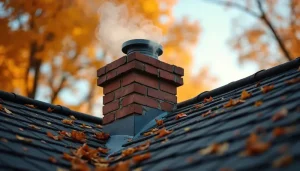
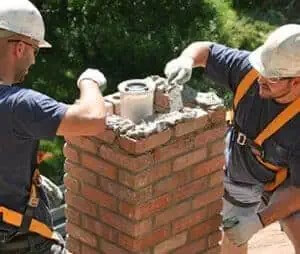
When homeowners think about chimney repairs, they usually picture bricks, mortar, or the chimney cap.
The chimney liner rarely gets much attention.
That’s understandable because you can’t see it. But your chimney liner is one of the most important safety components in your entire fireplace system. It protects your home from heat, smoke, carbon monoxide, and moisture while helping your fireplace vent properly.
If your liner is damaged, deteriorating, or no longer meets today’s safety standards, replacing it with a stainless steel chimney liner is often the best long-term solution.
At Chimney King, we’ve installed stainless steel chimney liners for homeowners across Long Island for decades. Here’s why they’re our preferred choice and why they continue to outperform many older liner materials.
A properly installed stainless steel chimney liner doesn’t just improve safety. It can also improve fireplace performance, reduce maintenance, and help protect your chimney from costly damage.
What Does a Chimney Liner Actually Do?
Think of your chimney liner as the protective sleeve inside your chimney.
Every time you light a fire, smoke, hot gases, moisture, and combustion byproducts travel through the liner before exiting your home.
Without a properly functioning liner, those gases and extreme temperatures can damage your chimney’s masonry and, in some cases, create serious fire and carbon monoxide hazards.
A chimney liner also helps your fireplace draft more efficiently, allowing smoke to exit your home instead of lingering inside.
Why Older Chimney Liners Eventually Fail
Many older Long Island homes still have clay tile chimney liners.
While clay liners worked well for many years, they aren’t indestructible.
Over time, repeated heating and cooling causes the tiles to crack. Water entering the chimney can accelerate that deterioration, especially during Long Island’s freeze-thaw cycles.
Once cracks develop, heat and combustion gases can escape into areas they were never intended to reach.
That’s why damaged chimney liners should never be ignored.
Why We Recommend Stainless Steel Chimney Liners
There are several types of chimney liners available, but stainless steel has become the industry standard for a reason.
They’re Built to Last
One of the biggest advantages of stainless steel is durability.
Unlike clay tile liners, stainless steel is designed to handle repeated heating and cooling without cracking. It’s also highly resistant to corrosion caused by moisture and combustion byproducts.
With proper installation and routine maintenance, a quality stainless steel liner can last for decades.
They Improve Fireplace Performance
A properly sized stainless steel liner helps your fireplace draft more efficiently.
Better draft means smoke, gases, and combustion byproducts move through the chimney more effectively, helping reduce smoke problems inside your home while improving overall fireplace performance.
They Help Protect Your Masonry
When smoke, moisture, and acidic combustion gases stay contained inside the liner, your chimney’s brick and mortar are better protected from deterioration.
That means fewer masonry repairs over the life of your chimney.
They’re Compatible With Many Heating Appliances
Stainless steel liners aren’t just for traditional wood-burning fireplaces.
They’re also commonly used with:
- Gas fireplaces
- Wood stoves
- Fireplace inserts
- Oil-burning appliances
- High-efficiency heating systems
Because they’re available in a variety of sizes and configurations, they can often be customized for your home’s specific heating system.
When Should a Chimney Liner Be Replaced?
Most homeowners don’t know the condition of their chimney liner until it’s inspected.
Some of the most common reasons we recommend replacement include:
- Cracked clay tile liners
- Missing or damaged liner sections
- Water damage
- Chimney fires
- Converting to a new fireplace insert or heating appliance
- Persistent drafting problems
- Older chimneys that no longer meet current safety recommendations
A professional chimney inspection is the best way to determine whether your existing liner is still doing its job.
Is It Worth Upgrading If Your Chimney Still Works?
This is one of the questions we hear most often.
Just because your fireplace appears to be working normally doesn’t necessarily mean the liner is in good condition.
Many damaged liners continue functioning for years before homeowners notice a problem.
The goal isn’t simply keeping smoke moving up the chimney. It’s making sure heat, flames, carbon monoxide, and combustion gases stay contained where they belong.
Replacing a failing liner before it becomes a safety concern is often the smarter investment.
Professional Installation Makes All the Difference
Even the highest-quality liner won’t perform properly if it isn’t installed correctly.
At Chimney King, we carefully evaluate your chimney’s size, condition, and intended use before recommending a liner system.
We make sure the liner is properly sized, professionally installed, and designed to provide safe, reliable performance for years to come.
Why Long Island Homeowners Choose Chimney King
Since 1982, Chimney King has helped homeowners throughout Nassau and Suffolk Counties keep their fireplaces operating safely and efficiently.
Our chimney services include:
- Stainless steel chimney liner installation
- Chimney inspections
- Chimney cleaning
- Masonry repair
- Chimney crown repair
- Chimney waterproofing
- Chimney cap installation
- Leak diagnosis and repair
- Complete chimney restoration
Whether you’re replacing an aging clay liner, upgrading after installing a new fireplace insert, or addressing damage discovered during an inspection, we’ll explain your options and recommend the solution that’s right for your home.
Protect Your Fireplace With the Right Chimney Liner
Your chimney liner works every time you use your fireplace, even though you’ll probably never see it.
If your liner is damaged, outdated, or simply due for an inspection, Chimney King can help.
Contact us today to schedule a professional chimney inspection and free estimate. We’ll evaluate your chimney liner, answer your questions, and help you choose a long-lasting solution that keeps your fireplace operating safely for years to come.
Frequently Asked Questions
How long does a stainless steel chimney liner last?
A professionally installed stainless steel chimney liner can often last 20 years or more, and many last significantly longer with proper maintenance and annual inspections.
Are stainless steel chimney liners better than clay liners?
For many homeowners, yes. Stainless steel liners are more resistant to cracking, corrosion, and temperature changes, making them an excellent long-term option for Long Island homes.
Can you install a stainless steel liner in an older chimney?
In most cases, yes. Stainless steel liners are commonly installed in older masonry chimneys to improve safety, efficiency, and compatibility with modern fireplaces and heating appliances.
Do I need a new chimney liner if I install a fireplace insert?
Often, yes. Many fireplace inserts require a properly sized stainless steel liner to operate safely and efficiently. A professional inspection can determine what’s needed for your specific installation.